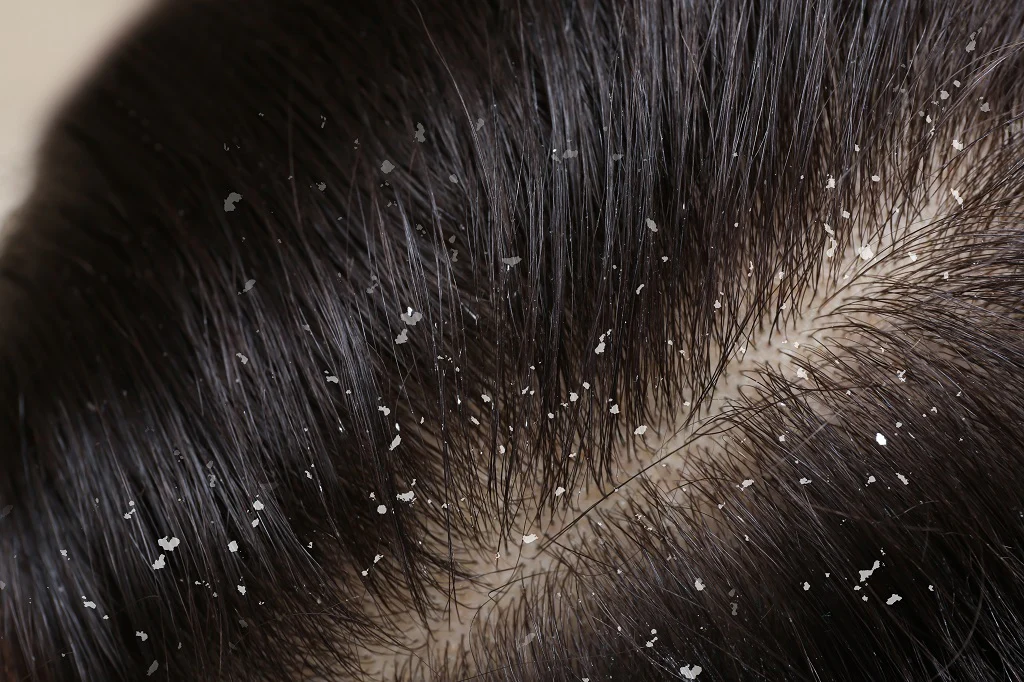
Dandruff is one of those problems that seems simple on the surface but can be surprisingly stubborn. Almost everyone has dealt with it at some point, and for many people, it becomes a recurring issue that refuses to fully go away. White flakes on dark clothes, an itchy scalp that distracts you during meetings, and the constant urge to scratch can quietly chip away at your confidence.
What makes dandruff frustrating is not just the flakes themselves, but the confusion around how to treat it. There is no shortage of advice online, yet much of it is contradictory. Some people swear by oiling, others say oiling makes it worse. Some wash daily, others avoid shampoo altogether. The truth lies somewhere in between, and understanding the right dos and don’ts can make all the difference.
This guide breaks down what you should absolutely do, what you should avoid, and why these habits matter if you want long-term dandruff control rather than short-term relief.
First, Understand What Dandruff Really Is
Before diving into dos and don’ts, it helps to understand what dandruff actually is. Dandruff is not simply dry skin. In many cases, it is linked to an overgrowth of a yeast-like fungus that naturally lives on the scalp. When the scalp environment becomes imbalanced, this microorganism multiplies and triggers irritation, faster skin cell turnover, and visible flaking.
That imbalance can be caused by excess oil, harsh hair products, stress, hormonal changes, poor scalp hygiene, or even weather changes. This is why dandruff behaves differently from person to person. Treating it effectively requires addressing the scalp environment rather than attacking the flakes alone.
The Most Important Dos If You Have Dandruff
Do Wash Your Scalp Regularly, Not Aggressively
One of the biggest mistakes people make is either overwashing or avoiding washing altogether. If you have dandruff, your scalp needs regular cleansing to remove excess oil, dead skin buildup, and product residue. Washing your hair two to three times a week works well for most people, though some may need more frequent washes depending on scalp oiliness.
What matters more than frequency is how you wash. Use gentle pressure with your fingertips, not your nails. Massage the shampoo into the scalp slowly and let it sit for a minute or two before rinsing. This gives active ingredients time to work without irritating the skin.
Do Use an Anti-Dandruff Shampoo Correctly
Anti-dandruff shampoos are effective, but only when used properly. Many people apply them like regular shampoo and rinse immediately, which reduces their effectiveness. These shampoos are designed to treat the scalp, not just clean the hair.
Apply the shampoo directly to the scalp, massage gently, and leave it on for at least three to five minutes. This allows the active ingredients to reduce fungal growth and calm inflammation. Alternating between an anti-dandruff shampoo and a mild regular shampoo can also help prevent dryness over time.
Do Pay Attention to Your Diet and Lifestyle
What happens inside your body often shows up on your scalp. Diets high in sugar, refined carbs, and unhealthy fats can promote inflammation and oil imbalance, which may worsen dandruff. On the other hand, a diet rich in whole foods, vegetables, healthy fats, and adequate protein supports skin and scalp health.
Stress is another major but overlooked factor. High stress levels can disrupt hormone balance and weaken the skin barrier, making dandruff harder to control. Prioritising sleep, regular movement, and stress management may not sound like hair care advice, but it plays a crucial role in scalp health.
Do Moisturise the Lengths, Not the Scalp
People with dandruff often avoid conditioners entirely, fearing they will worsen flakes. In reality, dryness in the hair shaft can lead to breakage and dullness, even if your scalp is oily or flaky. The key is placement.
Apply conditioner only to the mid-lengths and ends of your hair, keeping it away from the scalp. This keeps your hair healthy without feeding the scalp environment that encourages dandruff.
Do Be Patient and Consistent
Dandruff rarely disappears overnight. Even effective treatments take a few weeks of consistent use to show visible improvement. Switching products too often, stopping treatment once flakes reduce, or trying multiple remedies at once can slow progress.
Stick with a routine long enough to see how your scalp responds. Once dandruff is under control, maintenance becomes easier and requires fewer interventions.
The Don’ts That Often Make Dandruff Worse
Don’t Oil Your Scalp Excessively
Oiling the scalp is deeply ingrained in many hair care traditions, but when it comes to dandruff, heavy oiling can be counterproductive. The fungus associated with dandruff feeds on oils, and frequent oil application can worsen flaking and itching.
If you choose oil, keep it minimal and occasional. Avoid leaving oil on the scalp for long hours or overnight if you are actively dealing with dandruff. Focus more on the scalp, explain balance rather than nourishment during flare-ups.
Don’t Scratch or Pick at Flakes
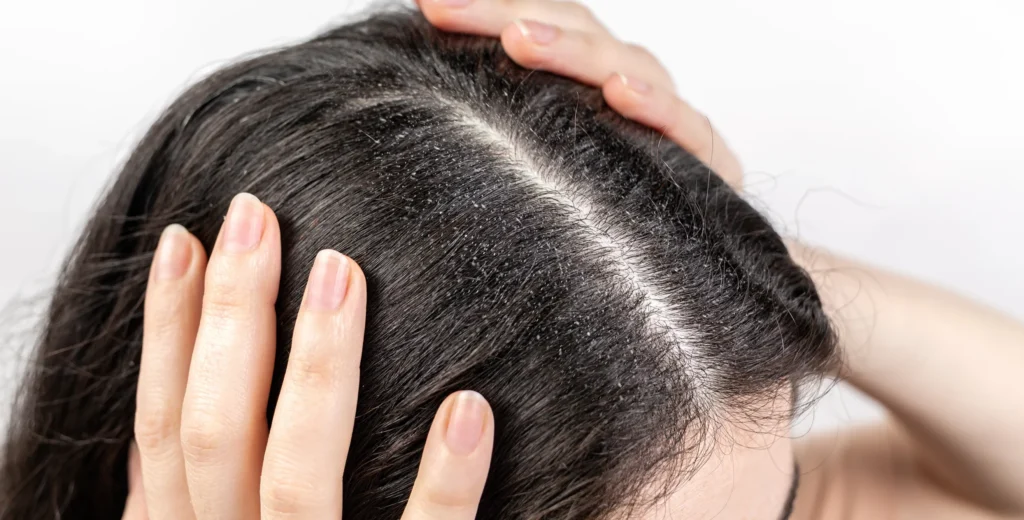
Scratching may feel satisfying in the moment, but it damages the scalp barrier and worsens inflammation. Repeated scratching can lead to tiny wounds, infection risk, and even hair thinning in severe cases.
If itching is intense, it is a sign that your scalp needs calming, not mechanical removal of flakes. Address the root cause rather than reacting to the symptom.
Don’t Use Harsh Hair Products
Products with high alcohol content, strong fragrances, or heavy styling polymers can irritate the scalp and disrupt its natural balance. Hair sprays, gels, waxes, and dry shampoos can build up over time and worsen dandruff if not washed out properly.
If you are prone to flakes, keep your routine simple. Use fewer products, and ensure you cleanse thoroughly when you do use styling aids.
Don’t Skip Rinsing Thoroughly
Leftover shampoo or conditioner residue can irritate the scalp and mimic dandruff flakes. Many people rush through rinsing, especially when washing thick or long hair.
Take the extra minute to ensure all product is fully washed out, particularly around the crown and behind the ears, where residue often collects.
Don’t Ignore Persistent or Severe Dandruff
If dandruff is thick, yellowish, accompanied by redness, or spreading beyond the scalp to the eyebrows or sides of the nose, it may be more than simple dandruff. Conditions like seborrheic dermatitis or psoriasis require targeted treatment.
Ignoring persistent symptoms or relying solely on home remedies can delay proper care. Seeking professional advice can prevent long-term scalp damage and discomfort.
Building a Dandruff-Friendly Hair Care Routine
Managing dandruff is less about doing everything perfectly and more about consistency and awareness. A balanced routine that includes regular cleansing, gentle handling, minimal product use, and lifestyle support tends to work best.
Instead of reacting aggressively when flakes appear, think in terms of scalp maintenance. When the scalp environment is calm, clean, and balanced, dandruff naturally becomes easier to control and less likely to return.
To sum up…
Dandruff does not mean poor hygiene, nor does it mean you are doing something wrong. It is a common scalp condition influenced by multiple internal and external factors. What matters is how you respond to it.
Following the right dos and avoiding common don’ts can dramatically reduce flakes, itching, and irritation over time. With patience, consistency, and a better understanding of your scalp’s needs, dandruff can become a manageable issue rather than a constant struggle.
A healthy scalp sets the foundation for healthy hair, and taking dandruff seriously is one of the best things you can do for long-term hair wellness.





Leave a Reply